
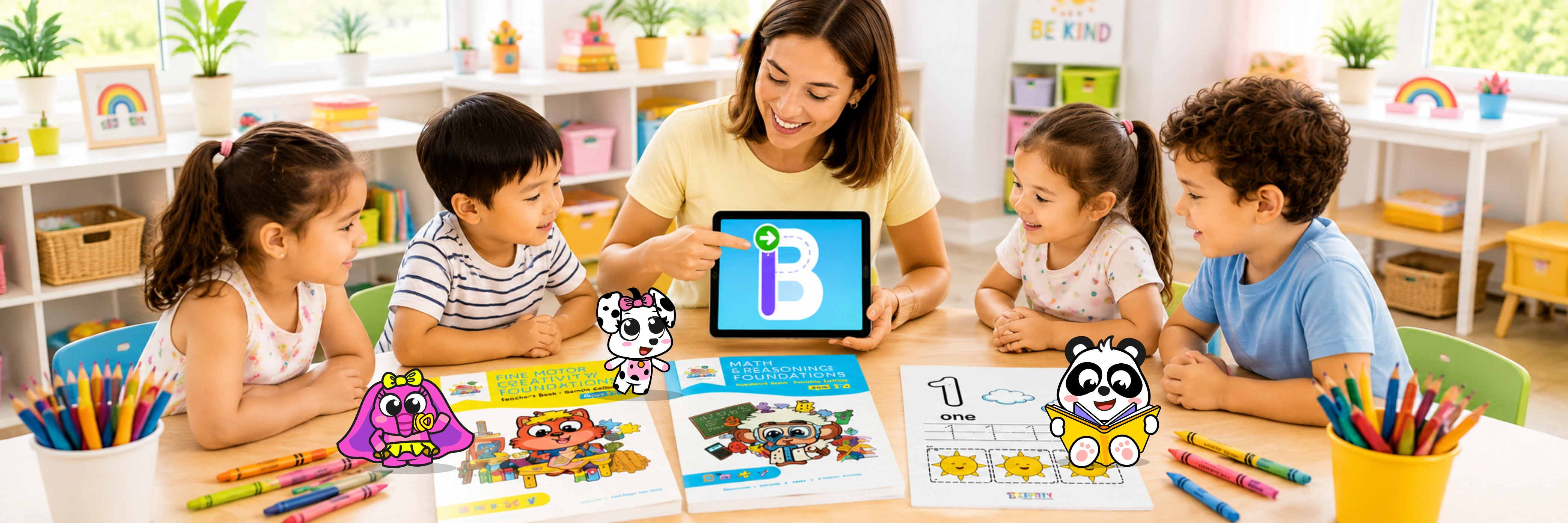
Built for the way you teach.
However you teach - Montessori, EYFS, HighScope, the Türkiye Century Education Model, or your own blend of all of them - here’s an honest look at where Tiny Minies fits in your classroom, and where it doesn’t. Jump to your approach below.
Montessori
Self-directed · prepared environment · ages 3-6
New to Montessori? Start here
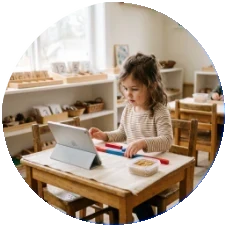
Maria Montessori built her first classroom around one observation: given the right materials and real freedom to choose, young children concentrate deeply without being made to. The room is prepared in advance, materials sit on low shelves within reach and the adult observes and presents rather than instructs.
Children move freely between areas, work at their own pace - often for long uninterrupted stretches - and correct themselves through the material rather than through praise or reproach.
Where Tiny Minies fits in
Tiny Minies shares several structural values with Montessori: self-directed navigation, sequential skill-building and a distraction-free, ad-free environment that respects a child’s concentration. Difficulty adapts to each child rather than to a schedule, so a child who needs another round gets one, and a child who is ready moves on. Practical life is where we come closest to the classroom. Children shop in a supermarket, work in a hospital, run a kitchen - real situations, in the right order, for a real purpose.
For Montessori settings that have chosen to introduce intentional digital work, Tiny Minies can serve as one freely chosen activity among many - selected by the child, completed without pressure and put down when the work cycle ends.
What stays yours
The shelf, and the long morning.
Weight, texture, temperature and the satisfaction of a material that resists the hand are things no screen can offer. Our printables extend the work onto paper, but they don’t replace the pink tower. And the uninterrupted work cycle depends on a child choosing freely and staying as long as the work holds them. We deliberately keep sessions short. That hour belongs to your classroom, not to us.
Start with these
-
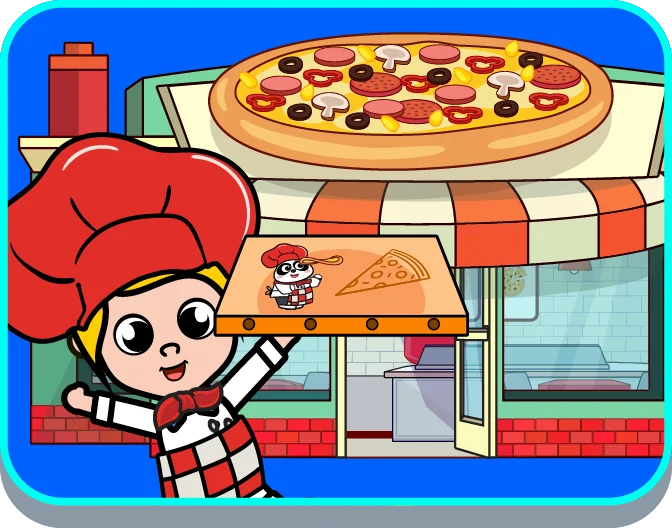
Pizza Maker
Game 3-6
Dough, sauce, oven - a real sequence with a real result, which is where practical life begins.
-
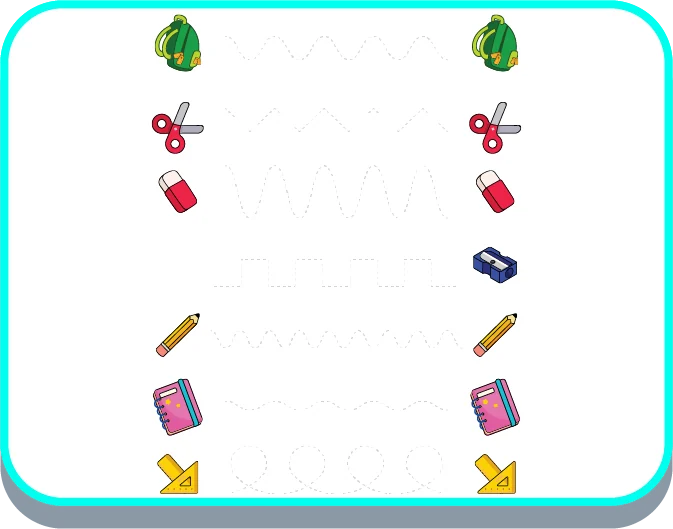
Trace Lines
Printable off-screen
The hand learns the shape before the letter has a name - pre-writing lines, on paper, away from the screen.
-
Compare & Count
Game 3-6
More and less come before one and two, which is the order Montessori math follows.
-
Journey to Water
Book 3-6
The stream runs dry and the children go find out why - interdependence told as an investigation, with nobody to blame.
Bring Tiny Minies into your prepared environment.
Tell us about your setting and we’ll help you plan where it fits.
Let’s chat
STEM / STEAM
Inquiry & making · first patterns & first experiments · ages 2-6
New to STEM in early childhood? Start here
STEM in the early years isn’t coding for toddlers. It’s the habits underneath science and math: predicting and testing, noticing patterns, building and rebuilding, counting things that matter, asking why and getting to find out. Research is clear that these habits form well before school - a block tower is engineering, a ramp is physics, and "which has more?" is mathematics.
STEAM adds the arts, on the argument that design, drawing and making are how young children externalize their thinking. In practice, classrooms do this through provocations and materials - water tables, loose parts, construction corners - with teachers narrating the thinking out loud: what do you notice, what might happen, how could we check?
Where Tiny Minies fits in
We’ll start with an admission: on a page about STEM, we’re the T - a screen is a tool, and like any tool it earns its place by what it’s used for. Here’s what ours is used for.
Patterns, logic and numbers live at the center of our game library: sequencing, sorting, comparing, completing what comes next. Difficulty adapts to the child, which matters for STEM habits in particular - the productive struggle stays productive, and the child stays the one doing the thinking.
One of our characters is a playful inventor, and his spirit runs through the library: things in Tiny Minies get diagnosed, fixed, assembled and tested. And our science stories - space, sea, the natural world - do what good provocations do: they end with a child asking a question the classroom gets to answer.
What stays yours
The spill.
Real early science happens where water actually overflows, ramps actually tip and towers actually fall - predictions tested against the physical world, felt in the hands. We can set up the question and practice the pattern; the experiment belongs on your classroom floor, ideally somewhere moppable. That mess is the method, and it’s yours.
Start with these
-
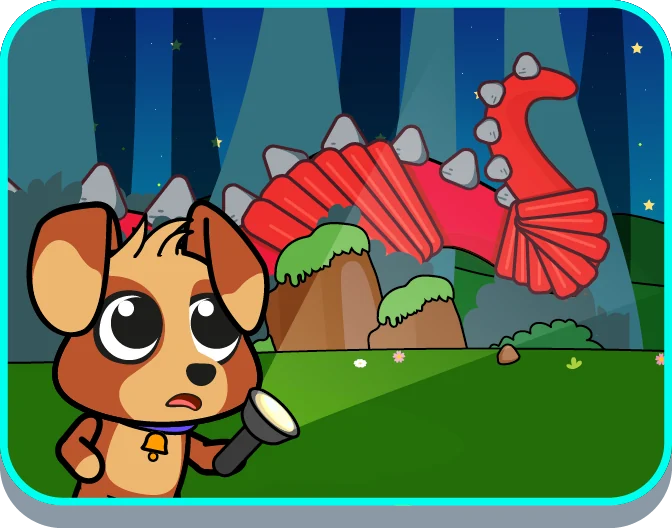
The Mysterious Monster
Book 3-6
A robot dinosaur, built for a competition - design, build, show: the whole STEAM arc inside one story.
-
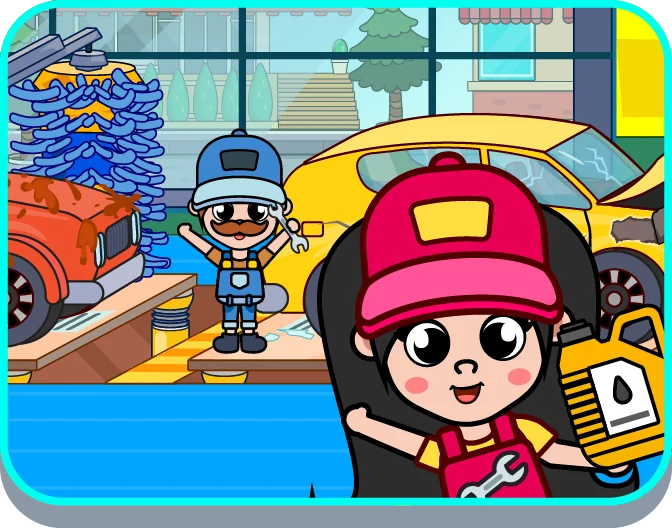
Car Garage
Game 4-6
Diagnose, repair, test - the engineering loop, run by a four-year-old in overalls.
-
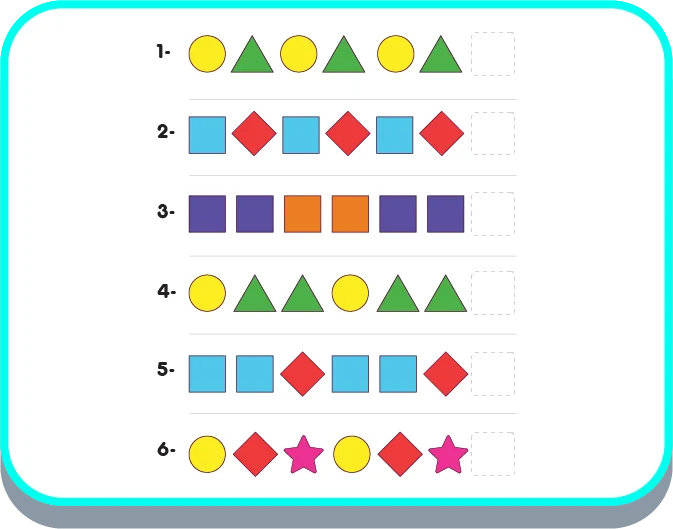
Shapes Pattern
Printable off-screen
Continue the pattern with a pencil - early algebra, on paper, no battery required.
-
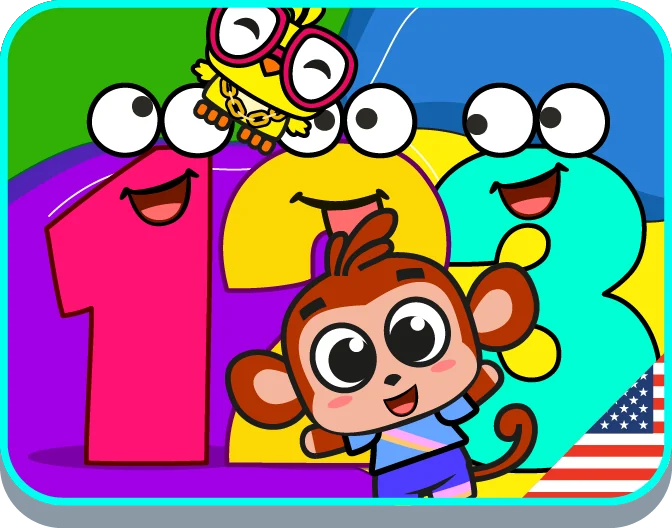
Count with Me!
Song all ages
Counting order and number words, set to music - math talk that follows the child out of the app.
Feed the why-questions.
Tell us what your class is investigating and we’ll point you to the content that sets it up - and the printables that finish it off-screen.
Let’s chat
Türkiye Century Education Model (Maarif Model)
Türkiye’s national curriculum · virtues, skills and outcomes · ages 3-6
New to the Maarif Model? Start here
The Türkiye Century Education Model is the national curriculum framework of Türkiye, built around a distinctive core: the virtue-value-action approach, in which knowledge and skills are inseparable from character. The preschool program defines learning outcomes across the developmental domains - motor, cognitive, language, social-emotional and self-care - woven together with conceptual skills, dispositions, literacies and a named set of values, from justice and responsibility to respect and compassion.
Preschool classrooms under the model are play-based: teachers plan around the program’s outcomes, values are carried inside everyday activities, and families are treated as partners in the child’s development.
Where Tiny Minies fits in
Tiny Minies is built in Istanbul, and it shows. Turkish isn’t a translation layer in our app; it’s a native language - with Turkish songs children already know from their grandmothers, Turkish tales, and voice acting recorded for Turkish ears. For a curriculum whose spine is cultural belonging, that’s not a detail.
We’ve also done the alignment work, outcome by outcome. We took the preschool program and mapped our library against its learning outcomes - not loosely, but one by one - so a teacher can see which outcomes an activity serves before assigning it. The full alignment report is available to schools.
Our skill games land on the program’s cognitive outcomes by name: classifying, matching, ordering, pattern-finding. And where the model asks for values, our stories carry them the way the model intends - inside the plot, not as a lecture at the end. And for early literacy, our Turkish letter content is built on the Turkish alphabet - supporting the letter and print awareness the program calls for, without stepping into first grade’s job.
What stays yours
The circle, and the example.
The model’s deepest claim is that values are learned by living them - a child learns justice from how the classroom shares, and respect from how the teacher listens. A story of ours can open that conversation; only a community can finish it. Curriculum planning, family partnership and the teacher as the child’s living example are the model’s foundation, and no app is part of that sentence.
Start with these
-
Okulumu Seviyorum!
Song 3-6
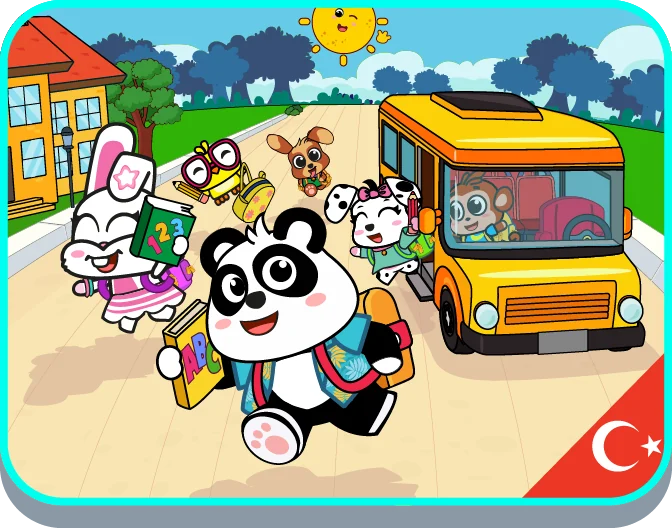
An original Turkish song for the hardest weeks of the year - the September adjustment, sung until school feels like it belongs to the child.
-
ABC Fun
Game 3-6
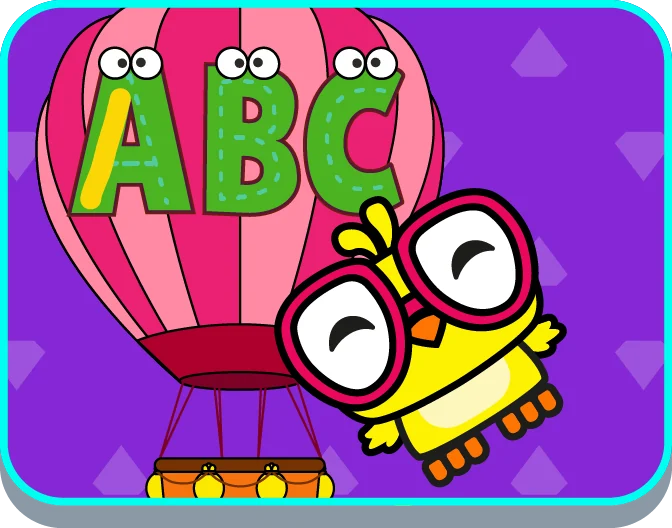
Sounds first, letters second: hear it, trace it, find the objects that start with it - phonological awareness in the order the program asks for it.
-
But This is Unfair!
Book 3-6
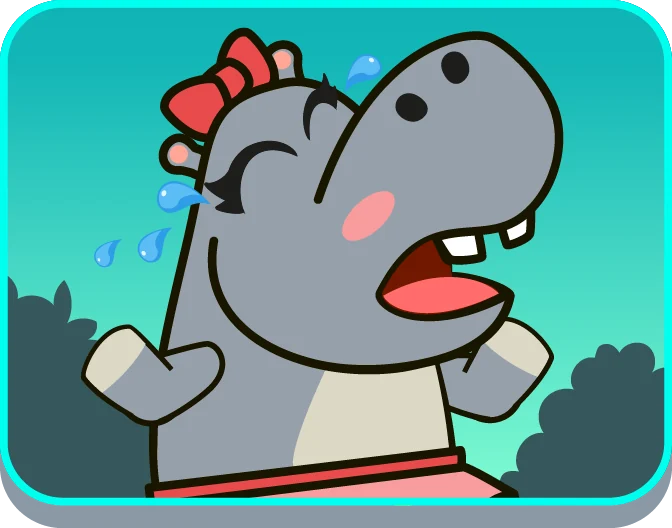
Justice is the first value on the model’s list - here it arrives inside a story, exactly where the model says values live.
-
April 23 Paper Cap
Printable off-screen
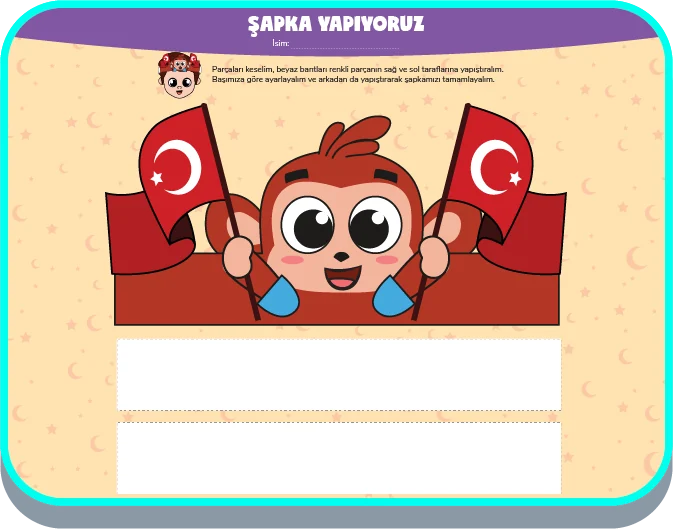
Türkiye’s national children’s day, made at a table - scissors, paper and a bayram the whole classroom shares.
Ask us for the alignment report.
We’ve mapped our library to the program’s outcomes, one by one. Tell us about your school and we’ll share where we fit.
Let’s chat
IB Primary Years Programme
Inquiry-based · internationally minded · ages 3-6
New to the PYP? Start here
The Primary Years Programme is the IB’s framework for ages 3 to 12, built on structured inquiry: children learn by asking, investigating and reflecting rather than receiving. Learning is organized into six transdisciplinary themes - from Who We Are to Sharing the Planet - and the whole framework points at the learner profile: ten attributes, from inquirers and thinkers to caring, principled and open-minded, that describe the person the programme hopes to grow.
In the early years, PYP classrooms are play-based: units of inquiry grow from children’s questions, teachers act as co-inquirers rather than lecturers, and children are treated as agents of their own learning. Schools are authorized by the IB and international-mindedness runs through everything - most PYP children are growing up between languages and cultures.
Where Tiny Minies fits in
Start with the languages. The app runs in English, Spanish, Portuguese, Turkish and Arabic - and in a PYP classroom, where half the children may think in a language they don’t learn in, that means the same story can meet a child in both. International-mindedness isn’t a poster on our wall; it’s a setting in our menu.
Our characters were written as people, not mascots - one is endlessly curious, one leads with kindness, one keeps trying past her own doubt. Teachers who know the learner profile will recognize the attributes without being told, and children meet them as friends before anyone names them.
And for units of inquiry, our library works as a provocation shelf: a story about a far place opens Where We Are in Place and Time, a role-play world opens How We Organize Ourselves. We supply the spark and the material. The inquiry it starts belongs to your class.
What stays yours
The inquiry, and the authorization.
A unit of inquiry grows from your children’s questions over weeks, in directions no content library can predict - we can provoke it, we can feed it, we can’t conduct it. And to say it plainly: IB authorization belongs to schools. We are not an IB-endorsed product, and no app is; we’re a resource that respects the framework, which is exactly as close as a resource should claim to be.
Start with these
-
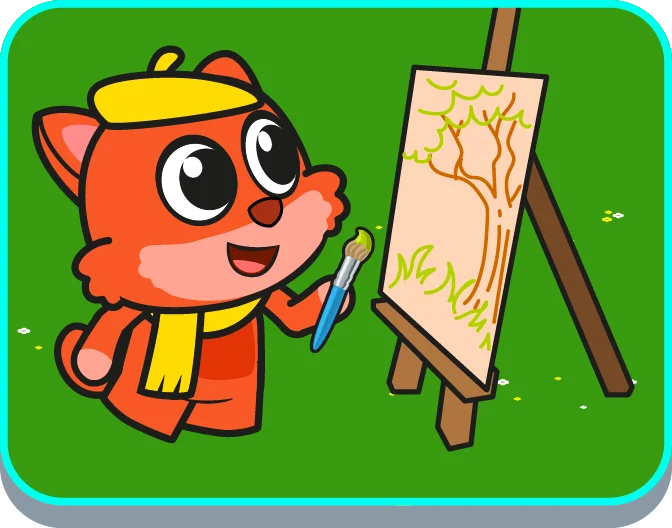
Painting Exhibition
Book 3-6
Misti doubts her paintings; her friends talk her into showing them anyway - risk-takers and caring, straight from the profile.
-
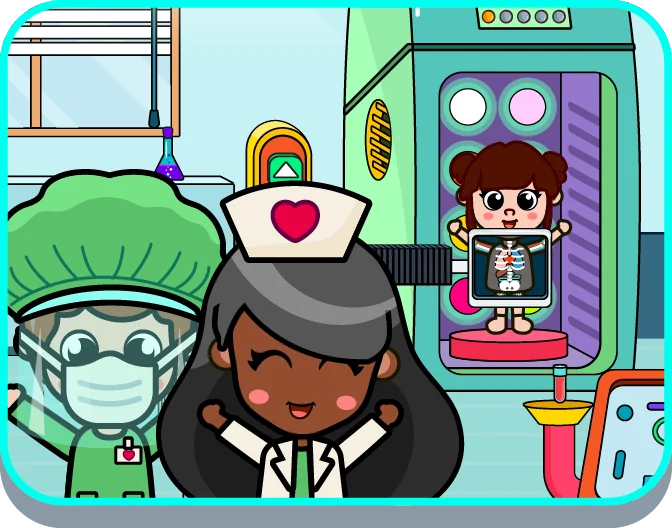
Hospital
Game 3-6
How We Organize Ourselves, playable: a community system with roles, needs and a child in charge of meeting them.
-
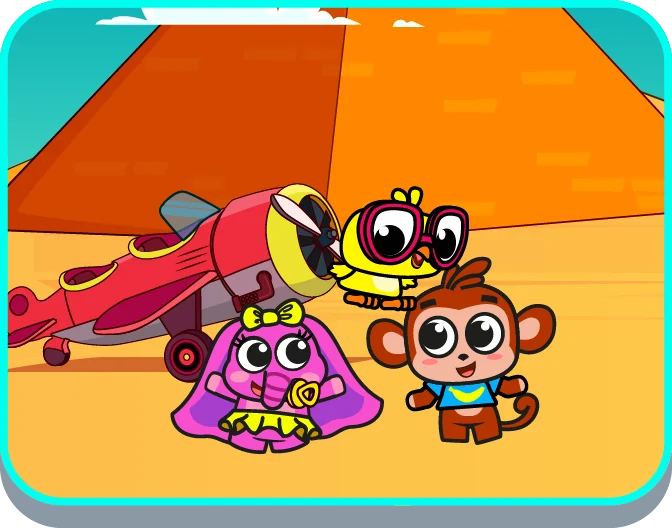
Mystery of the Pyramids
Book 3-6
Where We Are in Place and Time - another place, another age, and questions worth carrying back to the classroom.
-
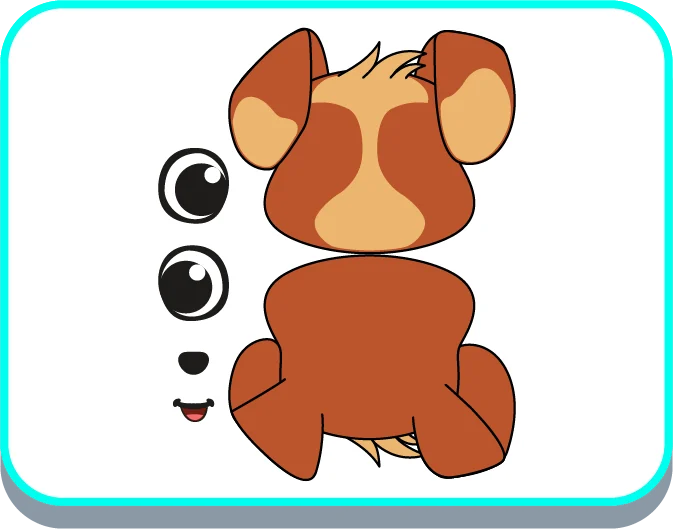
Moka Mask
Printable off-screen
Make the mask, become someone else - How We Express Ourselves, finished with scissors and glue rather than a tap.
Stock your next unit of inquiry.
Tell us your theme and age group and we’ll suggest what fits - as a provocation, not a curriculum.
Let’s chat
Developmentally Appropriate Practice (DAP)
NAEYC’s framework · joyful, engaged learning · ages 0-8
New to DAP? Start here
DAP isn’t a curriculum - it’s the framework American early educators use to make teaching decisions, published by NAEYC and treated as the profession’s consensus. Every decision rests on three kinds of knowing: what’s typical for children this age (commonality), what’s true of this particular child (individuality), and what matters in this child’s family, culture and community (context). Play is the engine, and the goal is learning that is joyful and engaged rather than pushed-down and rushed.
In practice, DAP looks like intentional teaching inside warm relationships: challenging but achievable experiences, environments that fit the children actually in the room, and a firm rejection of one-size-fits-all. The 2020 edition sharpened the third question - context and culture moved to the center.
Where Tiny Minies fits in
DAP’s three questions happen to be our architecture.
What’s typical for this age? - Our content is staged in developmental bands from 0-2 upward, and a toddler’s version of the app is genuinely a toddler’s: bigger, slower, unhurried.
What’s true of this child? - Difficulty adapts to the individual, so the same game meets each child at their own edge, which is the same decision a DAP teacher makes a hundred times a day.
What’s the child’s context? - The app speaks five languages, and its stories range across families, cultures and ways of celebrating.
The joyful part we take literally. Nothing is timed, nothing is scored against other children, nothing interrupts to sell - a child’s engagement is allowed to be its own reward.
What stays yours
The knowing.
DAP’s whole argument is that good teaching flows from knowing children well - and two of the three kinds of knowing live with you. We can build for what’s typical at four; only you know that this four-year-old just became a big sister, buries her words when she’s tired, and will climb any obstacle for dinosaurs. The framework calls that professional judgment. No amount of adaptive difficulty replaces it.
Start with these
-
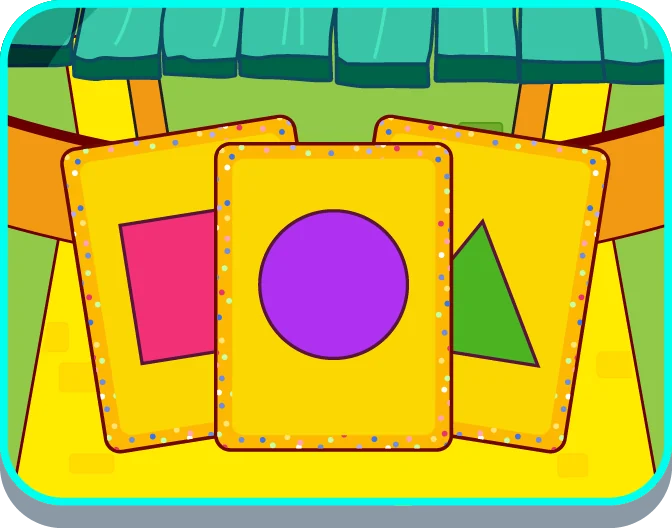
Shape Cards
Game 2-4
Built for the youngest - big, slow and patient, because knowing what a two-year-old needs is DAP’s first question.
-
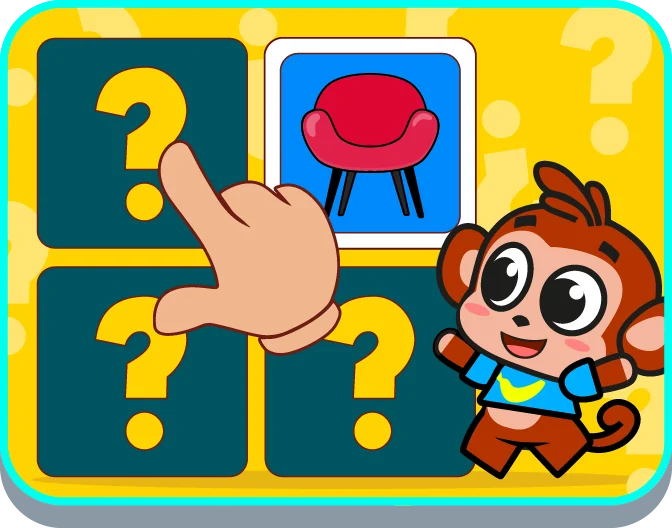
Memory Match
Game 3-6
The same game, a different challenge for every child - individuality, handled the way a teacher would.
-
Glad to be Me
Book 3-6
A story about being exactly who you are - the whole child, welcomed whole.
-
Summer Routines
Printable off-screen
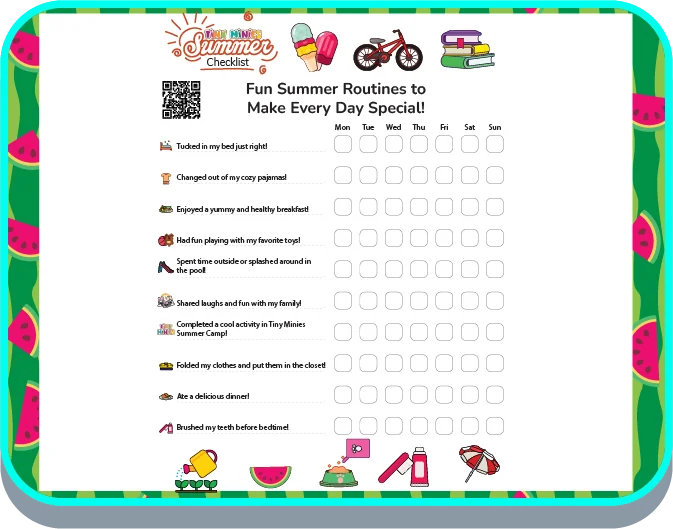
Daily routines, made visible at home - family partnership on a single sheet.
Every child, met where they are.
Tell us about your program and the children in it, and we’ll help you match content to the ones actually in the room.
Let’s chat
HighScope
Active learning · plan-do-review · ages 3-5
New to HighScope? Start here
HighScope is built on active participatory learning: children learn best through experiences they choose, carry out and reflect on themselves. The signature routine is plan-do-review - a child says what they intend to do, does it, then recalls how it went. Learning is tracked against 58 key developmental indicators (KDIs) spanning eight areas, from approaches to learning to mathematics and creative arts.
Classrooms run on a consistent daily routine and are organized into interest areas the children navigate on their own. Adults share control rather than direct: they join play at the child’s level, ask genuine questions, and observe against the KDIs rather than testing. The approach carries unusual weight of evidence - the Perry Preschool study has followed its children for over half a century.
Where Tiny Minies fits in
HighScope’s premise - children learn from what they choose to do - is our premise. Every session starts with the child’s own choice, difficulty adapts to keep the child in charge of the challenge, and nothing moves forward until the child moves it.
We’ve also done the paperwork. Our library has been mapped against the KDIs, so when a child spends the morning in a counting game or a role-play kitchen, you can name the indicators it touched instead of guessing.
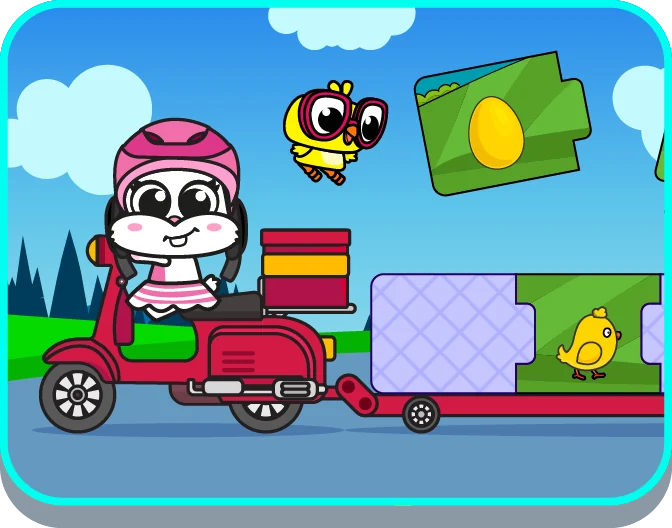
And some of our content works as fuel for the routine itself: sequencing games exercise exactly the muscle recall time asks for - what happened first, what came next - and open-ended play worlds give children something concrete to plan toward before they tap a single thing.
What stays yours
The conversation.
Plan-do-review lives in language: a child telling you what they intend, and telling you afterward what actually happened. An app can be the "do" in that sentence, but the talk on either side of it - the genuine question, the shared control, the adult kneeling into the play - is the method itself, and it’s yours. Our KDI map tells you what an activity touched; only you can turn it into a conversation.
Start with these
-
What Comes Next
Game 3-6
Real-life scenes, out of order - the child rebuilds the sequence, which is recall time’s exact muscle.
-
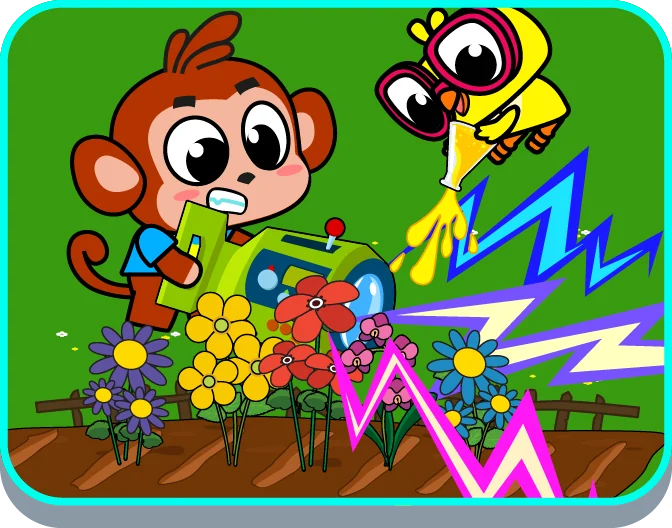
Chaos in the Garden
Book 3-6
Growing things can’t be hurried - engagement and reflection, HighScope’s own approaches to learning, told as a garden story.
-
Grocery Store
Game 3-6
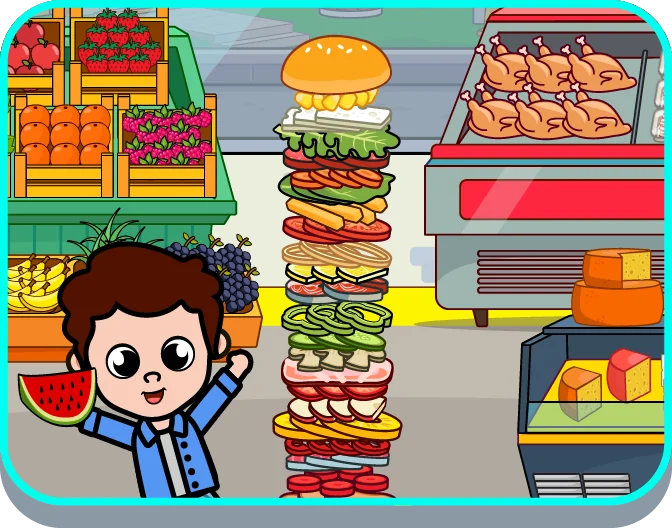
Something worth planning for: a child can say "I’m going to run the shop" - and then do it.
-
Story Dice Game
Printable off-screen
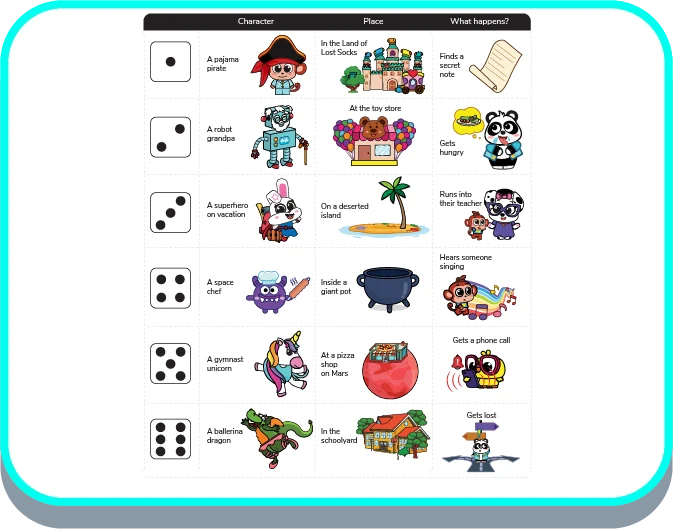
Roll, plan a story, tell it, retell it - plan-do-review in miniature, at a table.
Ask us for the KDI map.
We’ve matched our library to the 58 indicators. Tell us about your program and we’ll walk you through where it fits.
Let’s chat
Reggio Emilia
Child-led inquiry · the hundred languages · ages 0-6
New to Reggio Emilia? Start here
Reggio Emilia began when the parents of a war-damaged Italian town built their own preschool, and the educator Loris Malaguzzi built a philosophy around it. Its core belief: children speak "a hundred languages" - drawing, clay, music, movement, dramatic play - and each one is a legitimate way of thinking, not just a craft. There is no set curriculum; projects emerge from children’s own questions and can run for weeks.
Classrooms are treated as a third teacher: light, mirrors, real materials, and an atelier - an art studio at the heart of the school. Teachers document children’s words and work, display it at child height, and use it to decide where the learning goes next. There is no official Reggio certification outside Italy; schools elsewhere call themselves Reggio-inspired.
Where Tiny Minies fits in
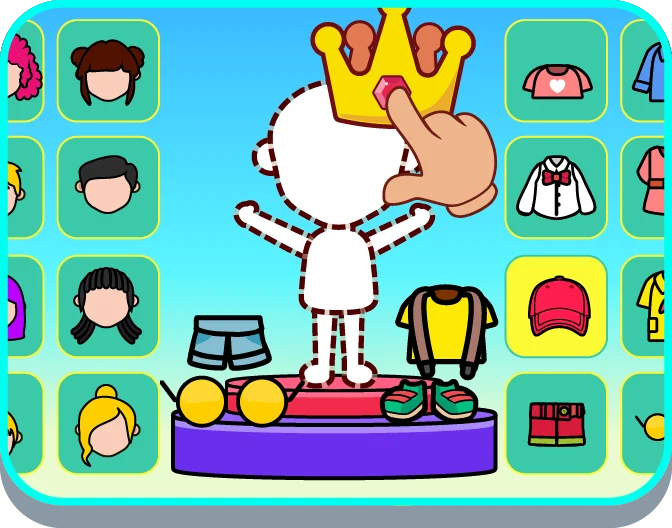
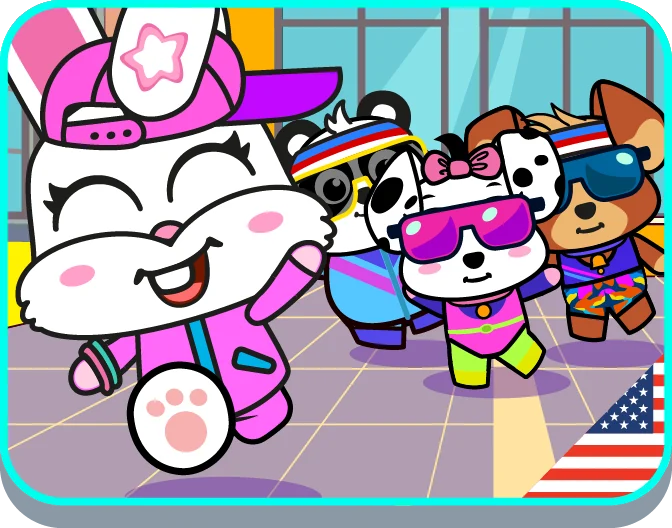
We think of our creative content as a few more of the hundred languages - ones that happen to live on a screen. Children draw and color on an open canvas, compose a character of their own, sing, move and invent stories in open-ended play worlds where nothing has a fixed script.
What makes this more than screen time is what happens to the work. Everything a child makes is saved in the app and can be exported to the device gallery - which means a drawing made at home can be printed, pinned to the documentation wall, and talked about the next morning. The work leaves the screen and enters the classroom’s conversation, which is exactly where Reggio wants it.
And when a provocation lands - a story sparks a question about space, a character sparks one about hospitals - the project it starts belongs entirely to the children and to you.
What stays yours
The atelier, and the project.
Clay that yields, wire that resists, paint that drips - the atelier’s materials answer the hand in ways a screen never will, and our printables reach toward that world without replacing it. Deeper still: a real Reggio project grows from children’s own questions over weeks, in directions nobody planned. We can offer a provocation that starts one. We can’t follow where it goes - that journey is yours to document.
Start with these
-
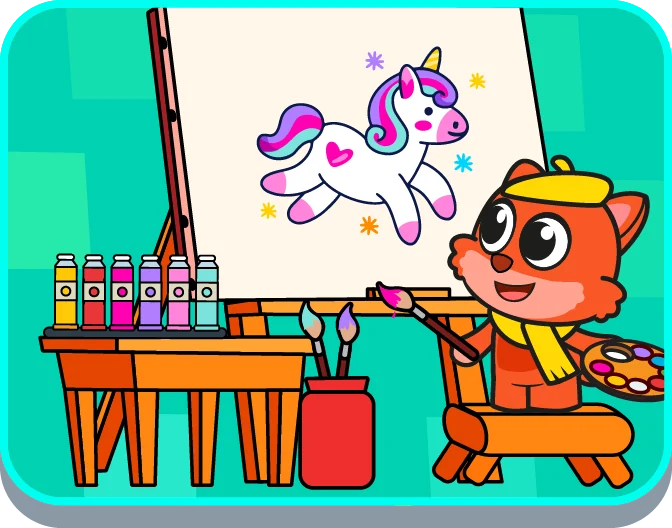
Color & Draw
Game 2-6
There’s a picture to start from - but the canvas doesn’t police the lines. Children can paint over, around and beyond it, and the finished work exports to the gallery, ready for the documentation wall.
-
Create a Character
Game 3-6
A digital cousin of the Reggio self-portrait: the child composes an identity, and it’s saved as their own work.
-
Move Your Body
Song all ages
Movement is one of the hundred languages - this one gets the whole group speaking it at once.
-
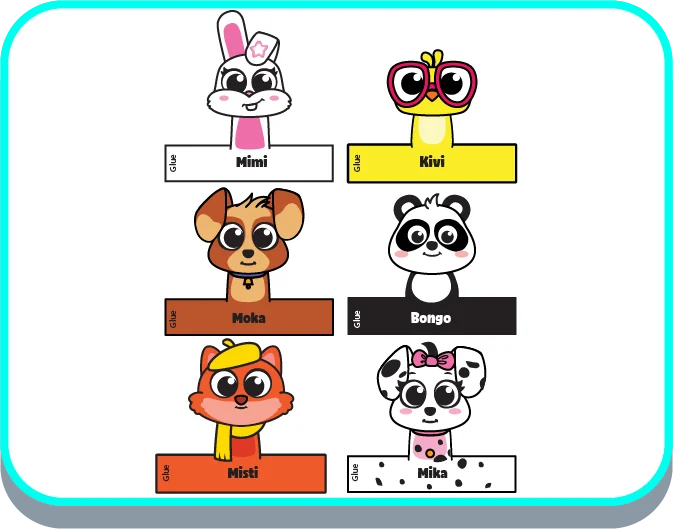
Finger Puppets
Printable off-screen
Cut, assemble and the screen’s job is done - the Tiny Minies puppets go on to tell stories the app never wrote.
Add a few more languages to your hundred.
Tell us about your school and we’ll help you decide what belongs in it.
Let’s chat
EYFS
England’s statutory framework · 7 areas of learning · ages 0-5
New to the EYFS? Start here
The Early Years Foundation Stage is the framework every school and nursery in England must follow from birth to age five. It organizes learning into seven areas: three prime areas - communication and language; personal, social and emotional development; physical development - and four specific areas: literacy, mathematics, understanding the world and expressive arts and design. Alongside the areas sit the characteristics of effective learning: playing and exploring, active learning, and creating and thinking critically.
In practice, settings plan rich continuous provision indoors and out, observe children as they play, and use those observations to judge progress toward the early learning goals. Each child has a key person, and the reception year ends with the EYFS Profile.
Where Tiny Minies fits in
Of the frameworks on this page, the EYFS is the one our library maps onto most directly - our content reaches into all seven areas, and it’s strongest where the EYFS says the early years matter most: the three prime areas and early mathematics.
The characteristics of effective learning describe how our activities are built. Children explore freely and choose their own way in (playing and exploring), difficulty adapts so that effort keeps paying off (active learning), and open-ended games leave room for their own ideas (creating and thinking critically).
Two practical notes for English classrooms. Our nursery rhyme collection covers the songs your children already sing, which makes home-to-setting continuity easy. And the app runs in five languages - for settings where children arrive with English as an additional language, the same activity can meet a child in the language they think in.
What stays yours
The observation, and the phonics scheme.
Judging progress toward the early learning goals is observational, professional and yours - no progress screen replaces watching a child at play. And England teaches reading through validated systematic synthetic phonics programmes; our letter and sound content supports recognition and vocabulary, but we are not an SSP scheme and don’t plan to become one.
Start with these
-
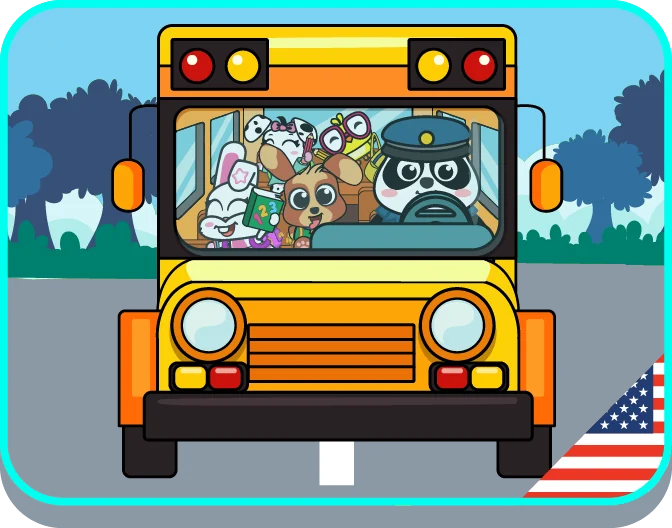
Wheels on the Bus
Song all ages
Communication & language and expressive arts in one - a rhyme the children arrive already half-knowing.
-
Guess the Feeling
Game 3-6
Naming what a face is telling you - self-regulation starts with recognition, and that’s the whole game.
-
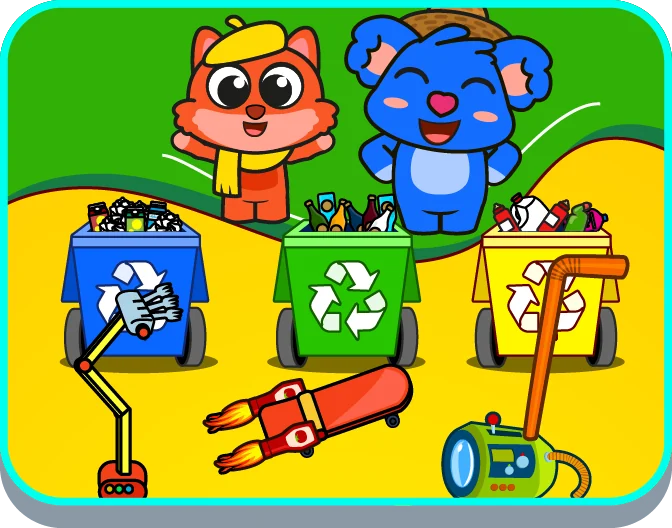
A Recycle Story
Book 3-6
Understanding the world, told at child height - what happens to things after the bin.
-
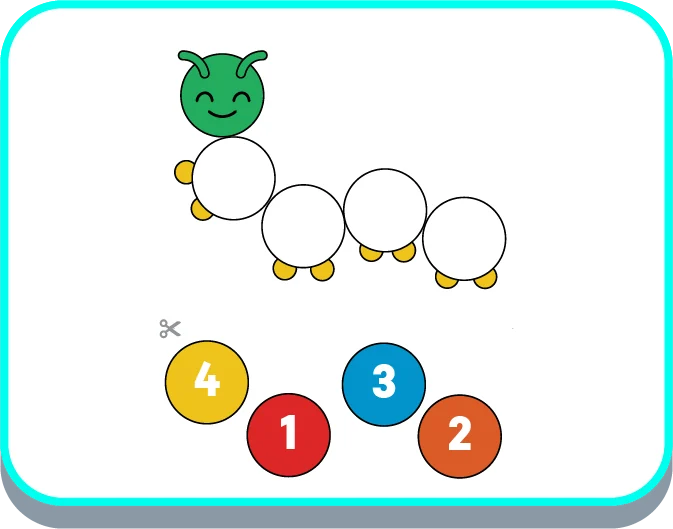
Order Numbers Cut
Printable off-screen
Two early learning goals on one sheet: ordering numbers to ten, and the scissors that cut them out.
Put us to work in your continuous provision.
Tell us about your setting and we’ll help you map our content to your areas of learning.
Let’s chat
Waldorf / Steiner
Rhythm & imagination · unhurried early years · ages 0-7
New to Waldorf? Start here
Waldorf education sees young children as learning through imitation, rhythm and imaginative play - head, heart and hands together. Formal academics wait until around age seven; before that, the work of childhood is play, story and doing. Days, weeks and seasons follow steady rhythms, because rhythm is what makes a young child feel safe.
Classrooms feel like warm homes: wood, wool, undyed cloth, toys simple enough to become anything. The teacher tells fairy tales by heart rather than reading them, and festivals mark the turning of the year.
Where Tiny Minies fits in
We’ll say it plainly: Waldorf is the approach with the least natural room for an app, and we respect the reasons why. So this section isn’t an argument - it’s an answer to a question Waldorf teachers actually get asked: "If our family does use media sometimes, what does the least harm?"
Our answer is the listening library. More than forty of our titles - classic fairy tales, breathing exercises, sleep music - are audio only. A story that arrives through the ear leaves the child’s inner picture-making intact: the wolf, the forest and the little house are still the child’s own to imagine. That’s the part of media Waldorf most wants to protect, and it’s the part we built for.
The pace matches too. Nothing in Tiny Minies is timed, scored against a clock, or in a hurry. Tales are told slowly, rest content is genuinely restful, and the day can end with music made for sleeping rather than one more episode.
What stays yours
The storyteller, and the beeswax.
A tale told by heart, by a teacher the child loves, in a room lit for it - no recording replaces a living presence, including ours. The same goes for hands in wool, wax and dough. And for families who keep the early years screen-free altogether, we think that’s a choice worth honoring, and we’d rather say so than argue with it.
Start with these
-
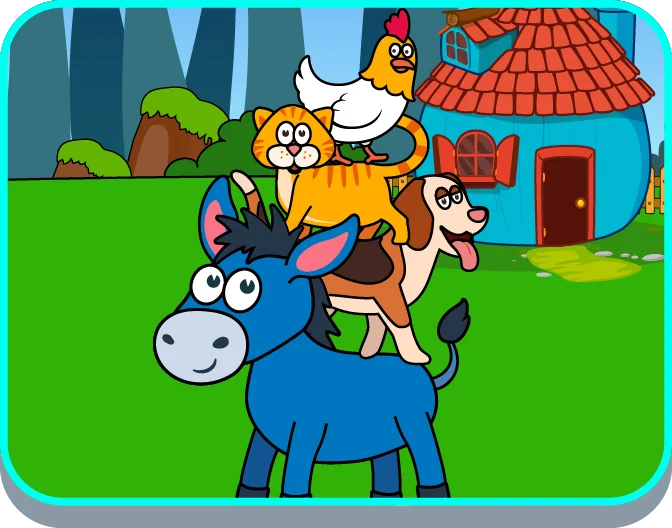
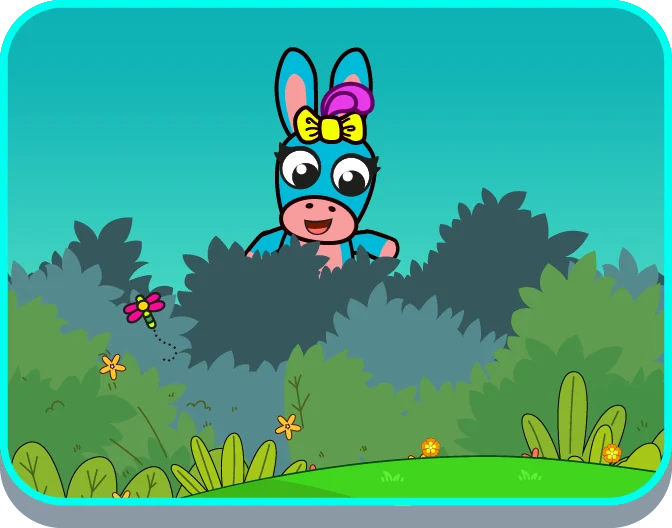
Bremen Town Musicians
Audio Tale 3-6
A Grimm tale told ear-first - the donkey, the dog and the road to Bremen stay pictures of the child’s own making.
-
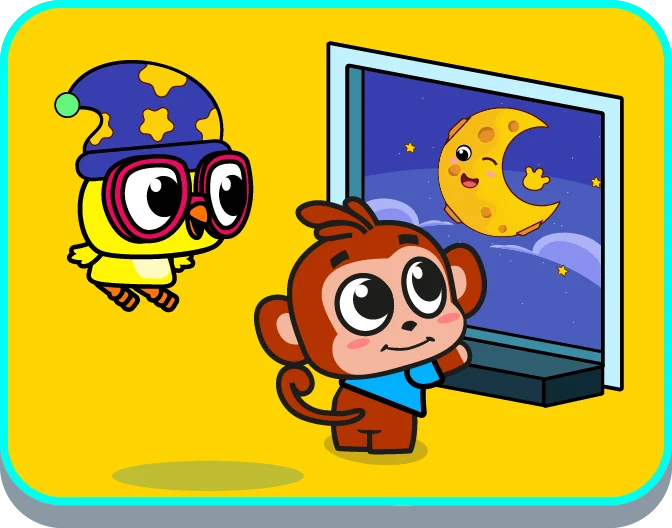
Hello Moon
Sleep Music all ages
The day breathes out - music composed for the going-to-sleep, not for keeping awake.
-
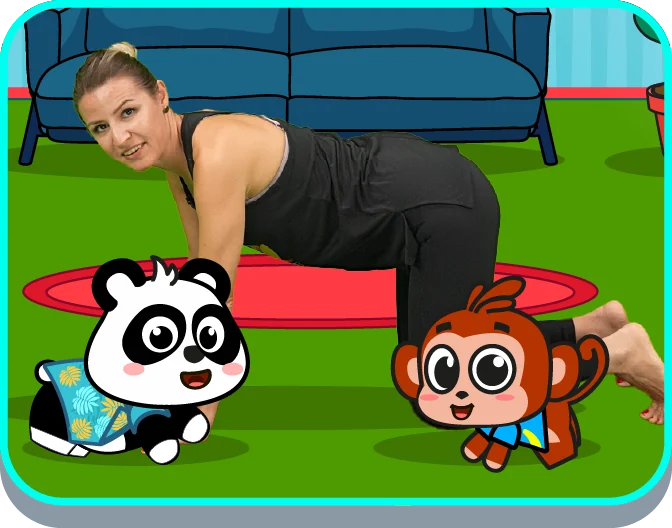
Stand Tall Like a Tree
Yoga 3-6
Movement borrowed from nature, the way a Waldorf circle time borrows its gestures from wind and seed.
-
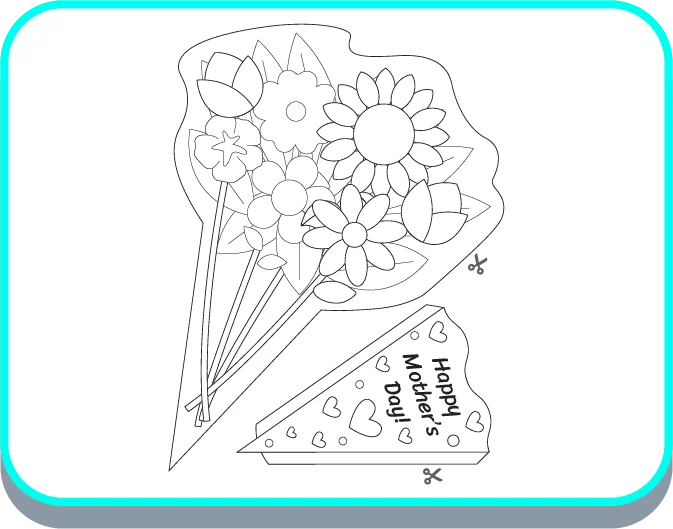
Paper Flower Bouquet
Printable off-screen
Seasonal handwork: cut, fold and the spring table has something the children made themselves.
For the day a parent asks you about screens.
Tell us about your community and we’ll help you decide if there’s a place for us in it.
Let’s chat
Nature-Based & Forest School
Outdoor learning · in all weathers · ages 2-6
New to forest school? Start here
Nature-based education moves the classroom outdoors - in its fullest form, for most of the day, in every season and all weathers. Children climb, dig, build dens, follow insects and learn to manage real risk with real tools, guided by adults who trust them with both. The approach began in Scandinavian forest kindergartens and has spread worldwide, carried by growing evidence linking time in nature to motor development, attention, resilience and wellbeing.
Sessions are child-led: the forest sets the curriculum, the season sets the theme, and the practitioner’s job is to notice what a child is curious about and stay out of its way. Rain is not a cancellation; it’s Tuesday.
Where Tiny Minies fits in
Let’s be clear about where we don’t: no screen belongs in the woods, and we’re not asking to come along. Our place is before and after - and in the city days in between.
Before: curiosity has a memory. A child who has met the ant, the ladybird and the stubborn little seed in a story goes outside already looking for them - our animal tales and garden stories work like a field guide read in advance, pointing small attention at small things.
After: the walk comes home wanting more, and a story about what was seen keeps the conversation going at the dinner table.
And between: most children don’t live next to a forest. For urban families and settings, our nature content - gardens that need patience, animals with seasons, movement borrowed from butterflies and trees - keeps the thread to the natural world unbroken until the next time boots go on.
What stays yours
The mud.
Wind on skin, a branch that might hold, a knife used properly at six - managed risk and real weather are not features nature-based education has; they’re what it is. Nothing on a screen gets a child wet, muddy or brave. We’ll hand you a curious child at the trailhead; everything after that is yours.
Start with these
-
Secret Garden
Book 3-6
Naga keeps his garden hidden so no one picks it - where care for living things starts shading into stewardship.
-
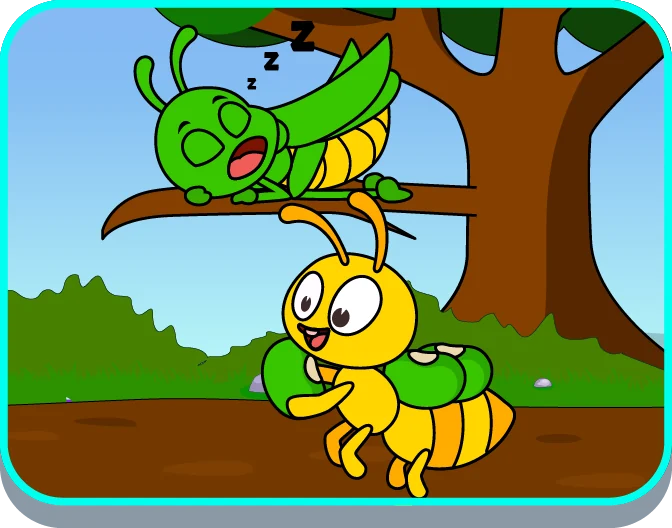
The Ant and the Grasshopper
Audio Tale 0-6
Seasons with consequences, told ear-first - and every child knows where to find the ant afterward.
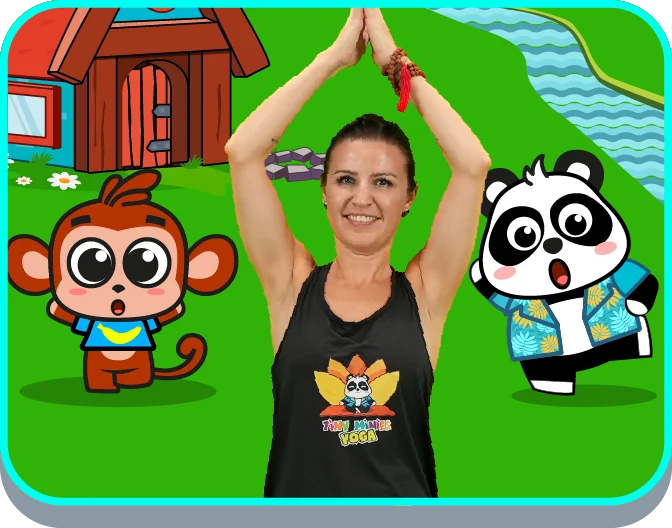
-
The Magical Butterflies
Yoga 3-6
Movement borrowed from wings - nature in the body on the days the body can’t be in nature.
-
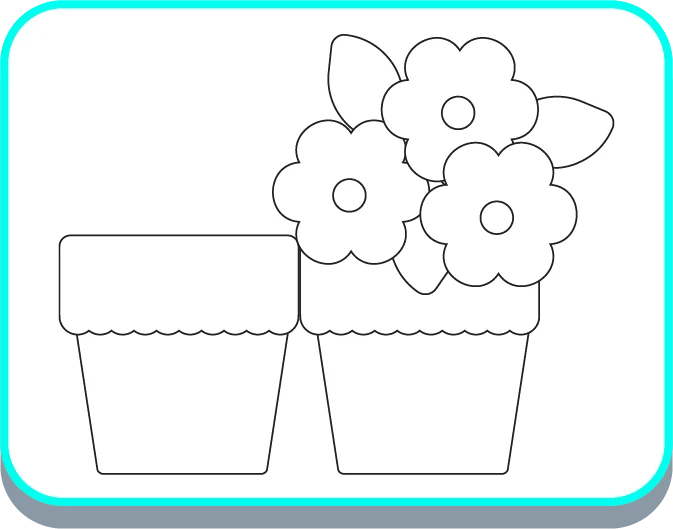
Paper Flower Pot
Printable off-screen
Make the paper one at the table - then go plant something real in a real one.
For the days between forest days.
Tell us about your setting and we’ll help you pick the content that points children outdoors - and stays behind when they go.
Let’s chatReady to bring Tiny Minies into your classroom?
Tell us the approach you follow, the ages you teach and what you’re looking for - and we’ll tell you honestly where Tiny Minies fits, and where it doesn’t. If you’d rather see for yourself first, the free version is a download away.